Monomoy Theatre Chatham MA: History, Legacy, & What’s Next
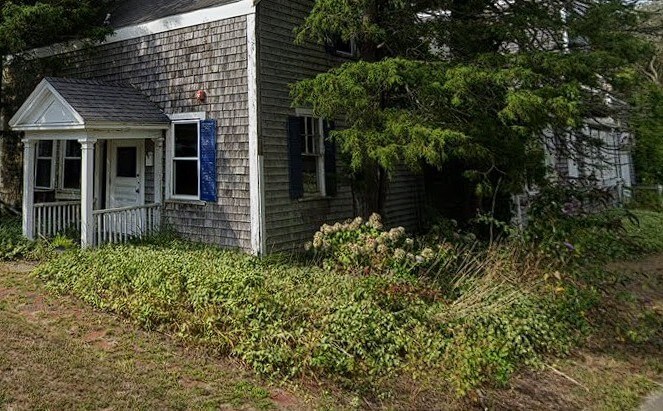
Monomoy Theatre Chatham MA was a summer theater institution that shaped downtown Chatham for decades. The program ended after the 2018 season, but the building at 776 Main Street is still at the center of public debate. In late 2025, town boards upheld a decision that blocked demolition of the former playhouse, at least for now.
Monomoy Theatre Chatham MA At A Glance
- Operated as a summer training program beginning in 1958 and ran through the end of the 2018 season.
- Address: 776 Main St., Chatham, Massachusetts.
- Format: eight productions in a compressed summer schedule built around rapid changeovers.
- Talent model: students trained alongside professional directors and guest artists.
- Current status: closed as a theater; demolition denial upheld by the select board in December 2025; owner stated the site would not operate as a theater going forward.
The Story Of Monomoy Theatre In Chatham
Monomoy Theatre became part of the Cape Cod summer rhythm because it sat in the middle of town, not tucked away in a resort campus. It was easy to reach, easy to make an evening of, and small enough to feel personal. That combination helped it become a tradition rather than just an attraction.
The playhouse also carried a longer local identity than the program itself. Reporting tied the building to “more than 80 years” of summer theater on the property, even as the modern training program began in 1958. That long arc is a key reason the site is now argued over as a cultural landmark rather than a disposable structure.
The Monomoy Theatre Program Model
The Monomoy Theatre Program was designed as professional training with real public stakes. Students were not kept behind the scenes as observers. They worked inside a production engine that had to deliver full shows on an unforgiving schedule.
A defining detail was speed. Public descriptions of the program emphasize that eight shows were created within roughly twelve weeks, with only a few days separating one closing night from the next opening. That tempo pushed students into practical problem-solving that classrooms rarely replicate.
The program’s staffing model also mattered. It drew from University of Hartford’s Hartt School theatre majors and paired them with working professionals. The result was a learning environment where coaching happened inside deadlines, not after them.
Who Participated And Why That Mix Worked
Monomoy Theatre did not depend on one type of performer or one kind of instructor. It blended emerging artists with professionals who treated the summer season like real repertory work. That mix raised expectations for everyone involved.
Students benefited because the bar was not theoretical. They had to meet audience standards in real time. Guest directors and other professionals benefited because they had a motivated company ready to rehearse, rebuild, and perform at pace.
The structure also created a quiet pipeline. Alumni carried the Monomoy name into other stages and productions, which reinforced its reputation over time. Even after closure, alumni efforts to document the program show how strongly that identity held.
What Audiences Saw Each Summer
Monomoy was known for its range. Public descriptions repeatedly point to seasons that moved from Shakespeare to hit musicals to comedies and contemporary classics. That variety made repeat attendance feel rewarding rather than redundant.
Eight productions in one summer also changed how people planned their visits. You could return to Chatham weeks later and see a different show, with a different tone, and often a different set of leads. The theater became part of the town’s summer calendar because it reliably offered something new.
The venue’s intimate scale sharpened the experience. Close sightlines and tight audience proximity can expose weak work. They can also elevate strong acting and crisp staging. Monomoy’s reputation suggests the second outcome was common.
Why The Work Was Considered Professional
A training program can still be professional in results if it is run like a working theater. Monomoy’s public positioning was clear on that point. Arts listings described it as “truly professional” while also stressing that graduate and undergraduate students learned “in all aspects of theater.”
That “all aspects” framing matters because it hints at the full system behind a show. Performances are only the visible layer. A serious summer stock operation depends on stage management, scenic work, costumes, lighting, sound, marketing, and front-of-house logistics that have to work every night.
Monomoy’s schedule forced that coordination. When a company has only days between productions, it cannot rely on ideal conditions. It has to build repeatable processes. That pressure is a major reason alumni often describe the experience as career-shaping.
Downtown Chatham And The Theatre Routine
A theater embedded downtown does more than sell tickets. It builds patterns. Dinner reservations shift, foot traffic changes, and storefront streets feel livelier when a show lets out.
That is part of why the debate over the former Monomoy Theatre playhouse is not only about nostalgia. It is also about what kind of downtown Chatham wants to be after dark. When a venue disappears, the absence can be felt in quiet streets, shorter business hours, and fewer shared community moments.
The theater’s Main Street location also gave it symbolic value. A playhouse on the town’s central corridor reads as a statement that arts and public life belong together. The current preservation conflict is, in part, a fight over whether that statement still matters.
Timeline From Closing To Ownership Change
The Monomoy Theatre Program ended at the close of the 2018 summer season. Local reporting linked the shutdown to health and safety violations and to the then-owner’s unwillingness to complete required upgrades.
The property later changed hands. Cape Cod Chronicle reporting stated that Newton developer Gregory Clark’s company, Chatham Productions LLC, bought the 2.7-acre property in September 2019 for $3.6 million. It also reported that the site has been vacant since the purchase.
This timeline is important because it frames the present argument. Closure did not immediately resolve the property’s future. It created a vacuum where deterioration, proposals, and public process began to take over the story.
Current Status And The Preservation Battle
By fall 2025, the property dispute reached a clear flashpoint. Chatham Productions sought permission to demolish the playhouse at 776 Main Street. The company described the building as in severe disrepair and argued it was difficult to convert because of features tied to its theater design, including the slanted floor and the stage.
On November 5, 2025, the Historic Business District Commission denied the demolition request. Coverage of that hearing described commissioners questioning the building’s deterioration and security, including references to break-ins.
The dispute then moved to the select board. In a December 16, 2025 hearing, the board unanimously upheld the commission’s denial. Reporting described the board’s view that the commission acted within its authority and that the building was historically significant and worth preserving.
What The December 2025 Decision Did And Did Not Do
The select board decision did not reopen the theater. It did not guarantee restoration. It did one specific thing: it upheld the town commission’s refusal to allow demolition under the historic district process.
That narrow outcome still has big implications. A denial can slow a redevelopment plan, raise costs, and force different options. It can also trigger appeals, which is exactly what the owner signaled.
Cape Cod Chronicle reporting stated that Chatham Productions planned to appeal the select board’s decision to superior court. The same coverage also quoted the owner emphasizing that, regardless of outcomes, the building would no longer operate as a theater, and that future “by right” uses could include retail, office space, or a restaurant.
Why The Playhouse Is Seen As Historically Significant
Historic significance is not only about architecture. In a town like Chatham, it can also mean social memory. The Monomoy Theatre site held decades of shared nights, local pride, and formative training for performers and technicians.
The building also anchors a story about arts on Cape Cod. Summer stock theatre has long been part of coastal culture, where seasonal audiences create a short, intense performance market. Monomoy offered a stable home for that kind of work, year after year, in the same downtown place.
That cultural role is why commissions and boards can treat a theater as a public asset even after its curtains stop rising. The question becomes whether a community values its cultural infrastructure enough to fight for it when it is no longer profitable as a performance venue.
Understanding The Decision-Makers In Plain Terms
The Historic Business District Commission focuses on protecting the character of the historic district. In this case, it reviewed whether demolition was appropriate within that framework. Its denial set the terms of the conflict.
The select board did not step in as a design team or a theater operator. It heard an appeal of the commission’s decision. It then ruled on whether the commission acted within its authority and whether the record supported the outcome.
The superior court path, as described by the owner, is the next procedural layer. That process can challenge how a decision was made and whether it was legally sound. It does not automatically settle what the building becomes.
What Visitors Can Do Today In Downtown Chatham
Visitors can still understand the Monomoy story without entering the building. The address at 776 Main Street remains a reference point in town discussions, and it sits in a walkable corridor that reflects Chatham’s blend of commerce, history, and seasonal culture.
If you talk about the site, accuracy matters. The best description is simple. It is the former Monomoy Theatre playhouse. It is not currently operating as a theater. Its future use is under active dispute, and the latest major ruling in December 2025 upheld a denial of demolition.
That framing respects both the past and the present. It avoids implying that tickets are available or that a revival is scheduled. It also makes room for whatever happens next, whether preservation leads to renovation or a legal challenge changes the outcome.
Why This Story Matters Beyond One Building
Monomoy’s closure and the subsequent redevelopment dispute reveal a common tension in small towns. Cultural spaces often outlive their business models. When that happens, communities have to decide whether the value is purely economic or also civic.
The case also highlights the difference between replacing a building and replacing a function. A restaurant can fill space on Main Street. It cannot replicate the training pipeline that brought students and professionals together for demanding repertory work.
That difference explains why emotions run high. People are not only fighting over wood, walls, and a slanted floor. They are fighting over the idea that downtown Chatham once had a stage that helped define summer nights on Cape Cod.
What Happens Next For The Monomoy Site
The most concrete “next step” is legal. The owner has indicated an appeal to superior court. That means the dispute can continue even after the December 2025 vote.
At the same time, the denial of demolition can pressure new planning. If demolition stays blocked, reuse scenarios become more relevant. If demolition becomes possible later, the site could shift toward replacement development.
The core reality remains steady. The Monomoy Theatre legacy is not only a memory. It is now a civic question about preservation, redevelopment, and what a town chooses to keep when a beloved institution has already gone dark.