
Bird Watching In Chatham MA: Your Guide To Monomoy National Wildlife Refuge And Beyond
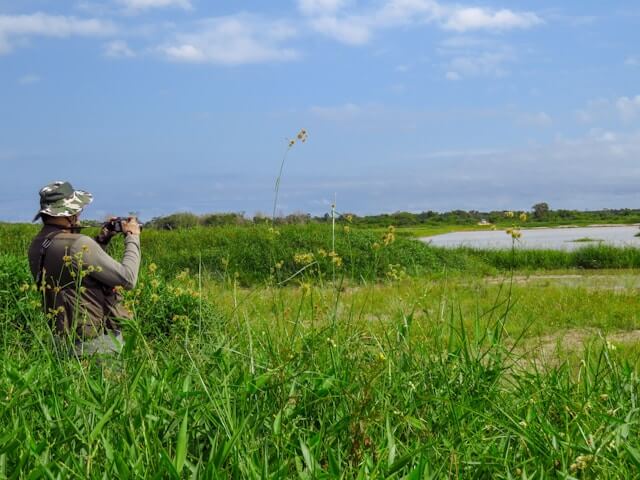
Bird Watching in Chatham MA is best when you match your plan to the coast. The birds follow tides, wind, and food. Visitors who ignore those drivers often walk a lot and see less.
This guide is built for fast planning and better results. It centers on Monomoy National Wildlife Refuge because it protects the most important bird habitat in Chatham. The refuge also sets the rules that keep nesting and roosting birds safe.
You will learn when bird migration Chatham is most active, how to pick a shorebird viewing window, and how to combine birding with nearby Chatham MA nature attractions. You will also learn the basics of safe distance for wildlife, including seals.
Why Monomoy National Wildlife Refuge Is The Centerpiece
Monomoy National Wildlife Refuge sits at the southeast edge of Cape Cod in Chatham. It protects barrier beaches, dunes, tidal flats, salt marsh, and nearshore waters. The U.S. Fish and Wildlife Service manages the refuge as part of the Eastern Massachusetts National Wildlife Refuge Complex. This management focus is tied to migratory shorebirds and other coastal wildlife.
The refuge’s value is geographic. It lies on a major coastal travel route used by migrating birds. That route is often described as the Atlantic Flyway. Birds moving north in spring and south in fall need safe places to rest and feed.
Monomoy is also recognized for shorebird migration importance by the Western Hemisphere Shorebird Reserve Network. WHSRN notes the refuge’s size, habitat mix, and shorebird diversity. That recognition reflects how many birds use the area for feeding and staging during migration.
Best Times For Bird Migration Chatham
Migration is not one moment. It is a season-long flow. Spring migration tends to build from late winter into late spring. Fall migration usually begins in midsummer and can run deep into autumn, depending on species.
Fall often feels more consistent for shorebirds. Many adult shorebirds start moving south early. Juveniles follow later. That staggered movement can create weeks of changing flocks.
Monomoy’s staging role is supported by recent monitoring and reporting. A Bird Observer report discusses counts from 2021 and 2022 and argues that the refuge supports very large numbers of migrating shorebirds. It also explains why the refuge’s food and roost conditions matter for birds that must refuel for long flights.
The breeding season is at a different peak. It is not about volume. It is about sensitivity. Mass Audubon notes that extensive areas of Monomoy can be closed during breeding season, with fencing and patrols, and that nesting sites of piping plovers and terns are monitored. Those protections affect where you can walk, even if the beach looks empty.
Weather can create sudden “big bird” days. Strong winds can change flight paths. Clear conditions can improve long-distance scanning. Fog can reduce visibility and compress your effective birding time.
Tides are the most dependable timing tool for shorebirds watching Cape Cod. Rising water reduces exposed feeding ground. That often pushes birds into tighter groups. Tight groups are easier to scan with a scope, as long as you keep a respectful buffer and do not force the flock to lift.
For tide timing, use NOAA’s Tides and Currents products for the Chatham area. NOAA provides tide predictions and station information that help you plan your best viewing windows.
Signature Species And What To Look For
Monomoy is known for shorebirds, terns, and other coastal birds. WHSRN states the refuge supports dozens of shorebird species. That matters because it means mixed flocks are normal, not rare.
Start with the birds you can identify quickly. Then work outward. In a mixed shorebird flock, focus first on size groups. Small “peep” sandpipers often feed fast and close together. Larger sandpipers often feed with deeper probes or longer strides. Plovers often run, stop, and pick.
Behavior is often more useful than color. On bright sand, plumage can wash out. Feeding style stays readable. Watch whether a bird pecks at the surface, probes deep, or chases small prey in shallow water.
Terns are a major feature of the refuge story. Share Our Shores, an Atlantic Flyway shorebird initiative, notes that the refuge supports an exceptionally large nesting colony of common terns, with figures exceeding 13,000 pairs. Numbers like that explain why protected zones are strict during nesting season.
Raptors also show well in open coastal habitat. Long sightlines allow you to spot hunting patterns and aerial chases. You may see raptors using the shoreline as a travel line during migration periods.
Top Birding Spots Within Monomoy National Wildlife Refuge
The refuge includes a mainland access area and offshore islands. The mainland unit is often the most practical starting point for visitors because it does not require a boat.
The Fish and Wildlife Service explains that access to offshore portions is by boat, and the refuge does not operate public boat service. That detail matters for planning. It means you should treat offshore visits as a separate trip with added safety and logistics.
For birding success on the mainland, focus on edges. Tidal flats and marsh borders concentrate prey. Beach wrack lines can hold insects and other food sources. Channels and creeks can funnel fish, which can draw terns and other hunters.
Use patient scanning instead of constant walking. Walking long distances on sand can push birds away and reduce your best viewing windows. A stable viewing point lets birds move naturally through your field of view.
On hot, bright days, glare can hide birds. A slightly higher vantage point can help. So can positioning with the sun behind you. Small adjustments often beat more distance.
Monomoy Island Basics For Visitors
Monomoy Island is part of a barrier island system. Barrier beaches shift over time. Channels move. Sandbars appear and disappear. That movement is part of why the habitat stays productive for birds, but it also raises the risk for visitors who assume conditions are fixed.
Monomoy includes designated Wilderness. That status is meant to protect natural character and limit impacts. Wilderness context should shape how you behave on the sand. You are there to observe, not to approach.
The Fish and Wildlife Service states pets are never allowed on South Monomoy, North Monomoy, and Minimoy islands. That rule is especially important for shorebirds because dogs can trigger repeated flushing. Repeated flushing burns energy that birds need for migration or nesting.
Treat tides as a safety issue, not just a birding tool. A route that is easy at low tide can close behind you. Plan your timing, know your exit, and avoid pushing into areas that could strand you.
Monomoy Refuge Tours And How To Choose The Right Experience
Monomoy Refuge tours can solve the offshore access problem for many visitors. They also add interpretation, which is valuable when you are looking at distant flocks in shifting light.
A good tour match starts with your main goal. If you want shorebirds, ask whether the plan is tide-aware. Shorebirds feed best when flats are exposed and shift to roosting as water rises. A tour that ignores that rhythm can feel rushed or unproductive.
If you want nesting-colony context, ask what boundaries you will follow. Nesting closures change seasonally. The point is not just access. The point is access without disturbance.
Tours also help with decision fatigue. On a complex coast, it is easy to waste time choosing where to stand. A guide can move you to productive vantage points and explain why the birds are where they are.
Even with a tour, pack for wind and sun. Offshore conditions can be harsher than the mainland. Wind chill and glare are common.
Shorebird Watching Cape Cod: A Practical Field Strategy
Shorebird watching Cape Cod is a pattern game. The biggest gains come from reading the tide and choosing the right distance.
Start with a tide-first plan using NOAA predictions for Chatham. Identify a window when flats will be exposed and a later window when birds may roost. That gives you two different viewing modes in one day.
On exposed flats, birds spread out. Identification can be harder because individuals are far apart. Roosting periods can be easier because birds group up. Roosting can also be more sensitive because resting birds need uninterrupted time.
Scan a flock in passes. First pass is for obvious differences. Second pass is for odd shapes and bill lengths. The third pass is for behavior. You will spot more by staying calm than by jumping between targets.
Distance is the ethics line. If birds raise their heads, stop feeding, and face you, you are already too close. If a flock lifts and wheels, you push it. Back away and give them time to settle.
This approach also improves your success rate. Calm birds show natural behavior. Natural behavior leads to better identification and better photos.
Beyond The Refuge: Bird Watching In Chatham MA Hotspots
Bird Watching in Chatham MA improves when you add habitat variety. Monomoy is an open coastal system. Chatham also has sheltered water edges, marshes, and mixed vegetation that can hold different species.
Use “habitat rotation” to avoid diminishing returns. If you spend a morning scanning open beaches, shift to a more sheltered nature area mid-day. Then return to a tide-driven shoreline location later. This plan keeps you from over-walking one spot.
Chatham MA nature attractions can also help on bad visibility days. Fog can flatten your view of distant flats. A sheltered trail can still produce birds at close range, especially if there is cover and fresh water.
Nature tourism in Cape Cod works best when it is flexible. Make a short list of alternates. Then choose based on wind, tide, and crowd levels.
Chatham Hiking Trails That Add Birding Value
Chatham hiking trails can be a strong mid-day option. Trails slow your pace. Slow pace improves detection. It also reduces disturbance, especially if you stay on the path.
Trail birding often depends on sound. A sheltered path can let you hear calls that are hard to pick out over surf. That sound advantage matters during migration when birds move through in quick waves.
Time your trail segments for calmer conditions. Early morning often has less wind and more bird vocal activity. Late afternoon can bring renewed feeding movement.
Stay aware of protected areas and posted rules. Many coastal trails pass near sensitive habitats. Respect signs and avoid stepping off trails into dune grass or marsh edges.
If you want to expand beyond Chatham, Cape Cod hiking trails can add inland habitat that contrasts with Monomoy’s open coastal focus. That contrast can increase your species mix.
Cape Cod Wildlife Refuge Network And Other Wildlife Refuges In Massachusetts
Monomoy is not isolated. The Fish and Wildlife Service describes it as one of the refuges in the Eastern Massachusetts National Wildlife Refuge Complex. A refuge network matters because birds use chains of stopovers, not single sites.
This idea changes how you plan. If one coastal site is quiet, another nearby habitat type may be active. Wind direction, food pulses, and human activity can all shift where birds gather.
WHSRN describes Monomoy as a refuge with varied habitats and emphasizes its role for migratory birds, including shorebirds. That diversity makes the site resilient across seasons, but it also means different parts of the habitat will peak at different times.
This network view also supports good visitor behavior. If a sensitive beach section is closed for nesting, you still have other options. Closures are not a loss. They are the reason the site remains productive.
Seal Watching Chatham MA Without Missing The Birds
Seal watching Chatham MA often happens near the same sandbars and shorelines used by birds. Seals haul out to rest. Birds roost and feed nearby. The shared space makes respectful distance essential.
The Fish and Wildlife Service provides wildlife watching guidance for Monomoy that includes keeping distance from seals. The refuge’s guidance aims to reduce stress and prevent dangerous human-wildlife encounters.
Seals can change local bird behavior. A heavy seal presence can shift where birds choose to rest. That does not mean you should move closer to “see both.” It means you should find a stable viewpoint and let wildlife use the area without pressure.
If you want a combined day, treat seals as a bonus. Keep your primary plan tied to tides for birds. Then add seal viewing when you have a safe, fixed vantage point.
If you want deeper context on the local marine ecosystem, the Chatham seals and sharks story is a natural companion topic, because it frames why marine life gathers close to shore in this region.
Coastal Ecosystems Of Cape Cod Explained For Birders
Coastal ecosystems of Cape Cod are dynamic systems built by sand and tide. Barrier beaches protect calmer marsh areas behind them. Tidal flats expose feeding ground twice a day. Dunes buffer storms and wind, which shapes where vegetation can grow.
Birds respond to food and safety. Shorebirds use flats because mud and wet sand hold small invertebrates. Terns use channels because fish concentrate there. Many birds choose roost sites with wide visibility because it reduces surprise predators.
Horseshoe crabs are part of the migration food story in some coastal systems. Mass Audubon notes that horseshoe crab harvesting may affect migrant shorebirds that feed on crab eggs and that restrictions and research have been part of the response. This link between marine life and bird migration is one reason protected coastal sites matter.
The same dynamics explain why Monomoy remains productive year after year. The habitat shifts, but the food cycle stays. Protection ensures birds can feed and rest without constant disturbance.
Gear And Preparation For A Successful Day Out
Coastal birding in Chatham can feel easy until wind, glare, and sand drain your energy. Preparation keeps the day focused on birds, not discomfort.
Here is a single, practical packing list for Bird Watching in Chatham MA:
- Binoculars, plus a spotting scope for long shorebird scans
- Water, snacks, and sun protection
- A wind layer, hat, and footwear that handles sand
- Tide information from NOAA for the Chatham area
- A simple notebook or app for field notes
Keep your kit light if you plan long walks. Heavy packs make you tired and less patient. Patience is part of identification.
Bring lens cloths if you use optics. Salt spray and blowing sand can blur your view fast. A clean lens can be the difference between “sandpiper” and a confident ID.
Building A 1-Day And 2-Day Birding Plan In Chatham
A strong 1-day plan follows two drivers: light and tide. Start early at a spot with long views and easy scanning. Use mid-day for a trail or sheltered edge when glare is high. Return to a shoreline site during a tide change when birds may concentrate.
A 2-day plan adds contrast. Dedicate one day to refuge-focused coastal birding and one day to broader Chatham MA nature attractions and trails. This split reduces fatigue and increases habitat diversity.
Build a weather backup. If fog is heavy, avoid long-flat scanning and pick close-range habitats where birds are near cover. If the wind is strong, choose stable viewpoints and stay longer rather than moving constantly.
Remember that offshore access is separate planning. The Fish and Wildlife Service notes that offshore refuge areas require boat access and that the refuge does not operate a public boat service. If offshore is your goal, plan it as the main event, not an add-on.
Family-Friendly Nature Tourism In Cape Cod
Nature tourism in Cape Cod works for families when the day is paced. Short segments reduce stress. Clear goals keep kids engaged. A “few birds well seen” day often beats a long chase.
Choose places where you can stop without blocking others. Teach quiet voices near roosting flocks. Make distance a point of pride, not a restriction.
Add variety. A day can include a short trail walk, a beach scan, and responsible seal viewing from a safe distance. Those switches keep attention high.
If you want kid-focused ideas for Chatham beyond birding, pairing this plan with broader things to do in Chatham MA with kids can make the trip easier to sell to the whole group.
Conclusion
Monomoy National Wildlife Refuge is the core birding destination in Chatham because it protects the habitats that migration depends on. It is also recognized for shorebird importance and supports large, sensitive nesting colonies that require careful visitor behavior.
Your best next step is to plan one tide-aware outing. Pick one feeding window and one roost window. Choose stable viewpoints. Then scan patiently.
Bird Watching in Chatham MA becomes much easier when you let the coast set the schedule. When you work with tide and wind, you see more and disturb less.